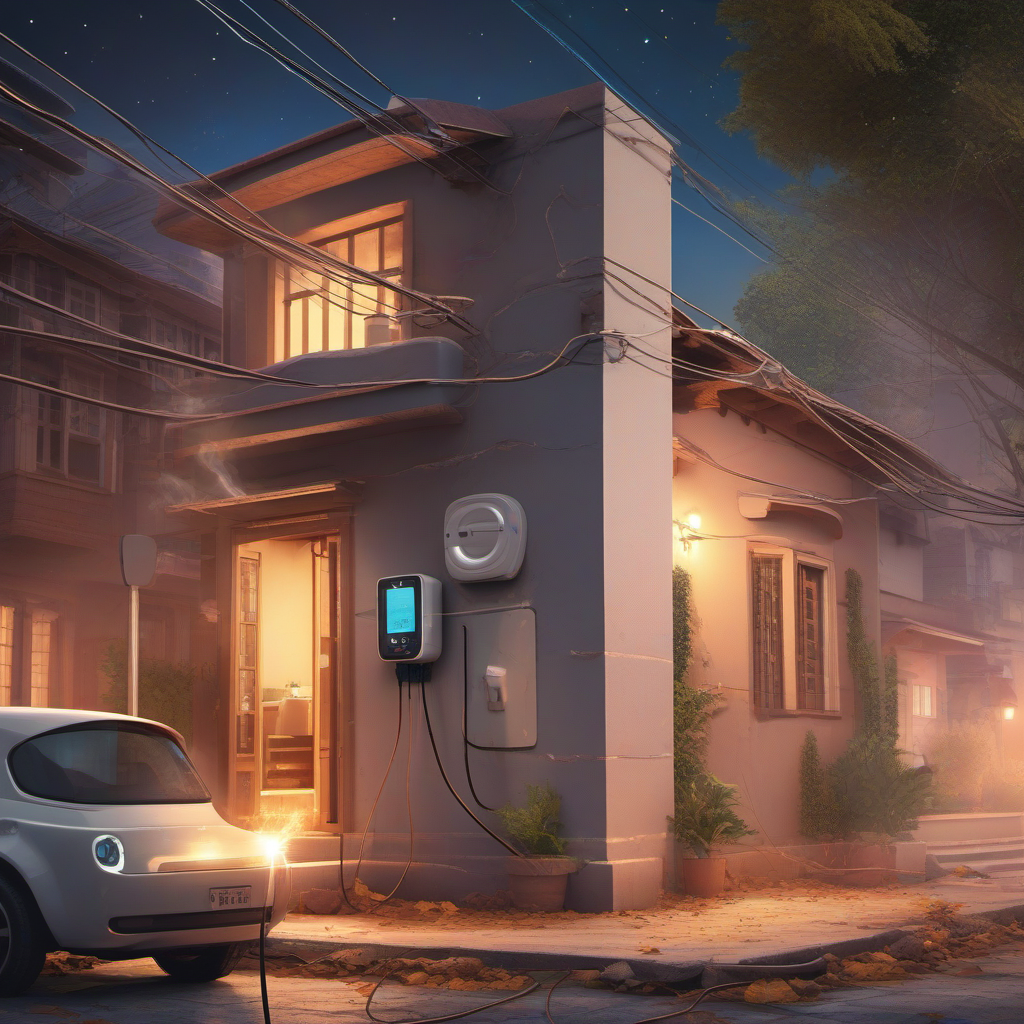
A recent report highlights a critical challenge in India’s push towards electric mobility: nearly 45% of Indian homes require electrical upgrades to safely accommodate electric vehicle (EV) charging. This finding stems from a study titled ‘The Net-Zero Transition Starts at Home: Enabling EV-Ready Residences in India,’ conducted by Kazam and the Alliance for an Energy Efficient Economy (AEEE). The report underscores the need for infrastructure upgrades to support the growing demand for residential EV charging across various Indian cities.
### The Company and the Report
Kazam, a company specializing in EV charging and energy management, partnered with AEEE to compile the report. The study analyzed over 80,000 residential EV charger installations across Tier I, II, and III cities, including diverse housing types such as independent homes, apartment complexes, and informal settlements. The report emphasizes the necessity for homes to meet a common minimum threshold for safe, reliable, and usable EV charging, highlighting that only 55% of potential EV buyers currently have access to home charging facilities.
Related Posts




### Context and Challenges
India’s electric mobility transition is accelerating, yet the infrastructure to support this shift remains uneven. The report projects that EV-related electricity consumption will rise from 0.2% of the national demand in 2024 to approximately 6% by 2035. However, the disparity in residential charging access poses significant challenges. Many users resort to informal and unsafe charging methods, such as using general sockets and temporary extensions. These practices pose safety risks, potentially leading to fires, equipment damage, and accelerated battery degradation. The report recommends addressing these issues through dedicated electrical circuits, compliant wiring, and proper safety measures.
### Implications for India’s Startup Ecosystem
The findings of this report have significant implications for India’s startup ecosystem, particularly in the energy management and EV sectors. Startups like Kazam are at the forefront of addressing the infrastructure gaps that hinder the widespread adoption of electric vehicles in India. By developing solutions that enhance the reliability and safety of residential EV charging, these companies can play a pivotal role in facilitating the country’s transition to sustainable mobility. The need for electrical upgrades also presents opportunities for startups specializing in smart grid technology, home automation, and energy efficiency solutions.
The report’s recommendations, if implemented, could lead to a surge in demand for electrical upgrades, creating business opportunities for startups and established players in the electrical and energy sectors. Additionally, addressing these infrastructure challenges could accelerate the adoption of electric vehicles, further driving innovation and investment in the Indian EV market.
As India continues its journey towards sustainable mobility, stakeholders in the startup ecosystem must closely monitor developments in residential EV charging infrastructure. For founders and investors, this represents a critical area of growth and innovation. The next steps will likely involve collaboration between the government, startups, and energy companies to implement the necessary upgrades and ensure safe and efficient EV charging in Indian homes.