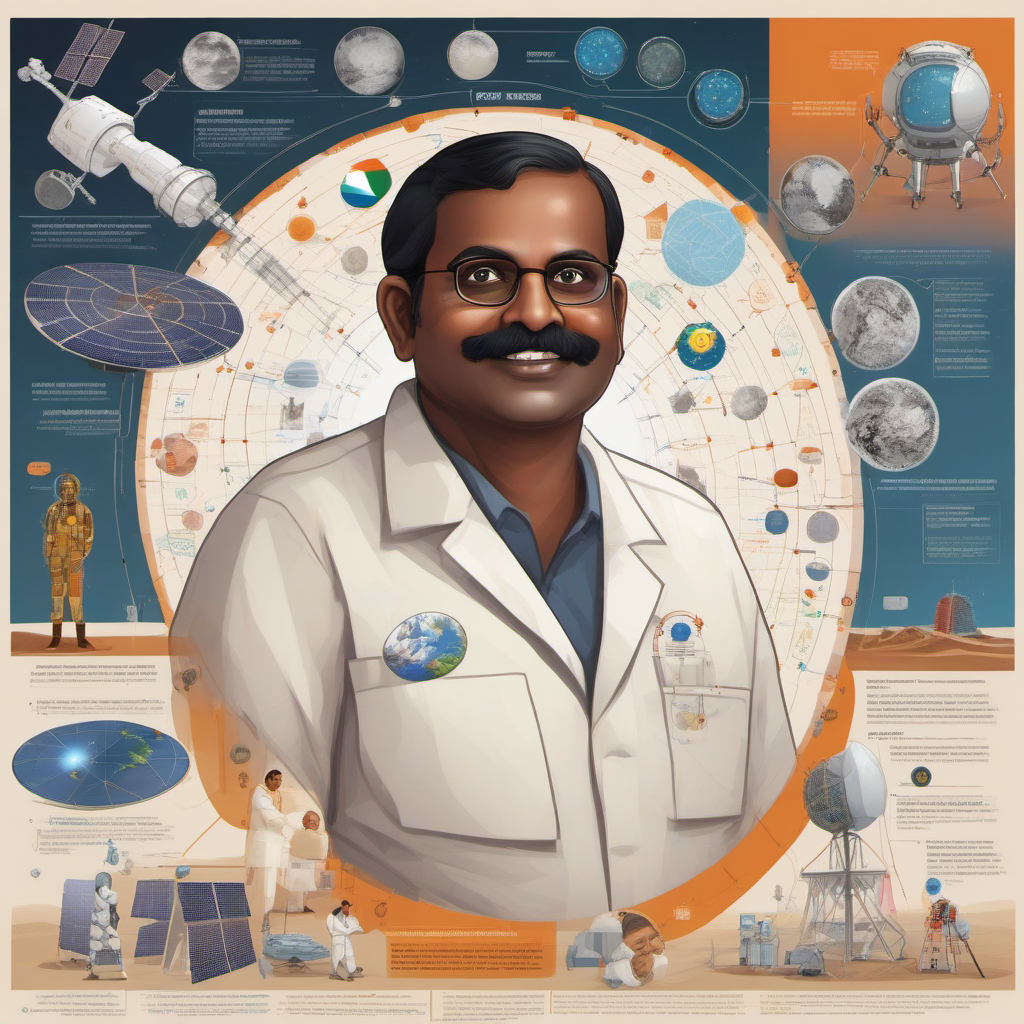
The Padma Shri 2026 list has brought to the forefront a group of scientists and engineers who are pivotal to India’s deeptech trajectory. While high-profile figures like IIT Madras director Veezhinathan Kamakoti receive widespread attention, this year’s honourees represent a broader spectrum of expertise crucial to the nation’s technological infrastructure. Their work in areas such as space technology, semiconductors, genetics, agriculture, and engineering research not only supports India’s tech ecosystem but also lays the foundation for future innovations.
**The Science and Engineering Honourees**
Among the distinguished figures is A E Muthunayagam from Kerala, a veteran in India’s space and propulsion research. His contributions to space technology are critical as India continues to expand its capabilities in satellite deployment and interplanetary missions. Kumarasamy Thangaraj from Telangana, recognized for his work in human genetics, represents another key area; his research can significantly impact healthcare and biotechnology sectors. Juzer Vasi from Maharashtra, known for his semiconductor and solar photovoltaic research, is instrumental as India aims to bolster its semiconductor manufacturing capabilities, a sector identified as a national priority.
Related Posts




The list also includes Ashok Kumar Singh from Uttar Pradesh, Chandramouli Gaddamanugu from Telangana, Gopal Ji Trivedi from Bihar, K Ramasamy from Tamil Nadu, Krishnamurty Balasubramanian from Telangana, Prem Lal Gautam from Himachal Pradesh, and Shubha Venkatesha Iyengar from Karnataka. This diverse group underscores the geographical spread and varied expertise within India’s scientific community, highlighting the country’s potential to leverage regional strengths for national technological advancement.
**What Counts as Deeptech**
Deeptech is a term that often surfaces in discussions about innovation, yet its definition can be nebulous. Fundamentally, it refers to technology rooted in significant scientific or engineering breakthroughs, rather than just new applications or business models. Fields such as semiconductors, space propulsion, advanced materials, and genetics exemplify deeptech. These domains require extensive research, substantial investment, and a high level of expertise. The scientists honoured this year are at the forefront of these challenging areas, contributing to India’s long-term technological capabilities.
Recognizing these professionals alongside more prominent names on the Padma list serves as a reminder of the importance of foundational scientific research. It highlights the fact that the behind-the-scenes work of scientists and engineers is just as vital to the nation’s progress as achievements in more visible sectors like arts or commerce. By honouring these experts, India acknowledges that its future in deeptech is heavily reliant on their contributions.
**Implications for India’s Startup Ecosystem**
The recognition of these scientists has profound implications for India’s burgeoning startup ecosystem. As the country continues its push towards self-reliance in technology, startups focusing on deeptech can draw inspiration and guidance from these honourees. Their work not only provides a blueprint for innovation but also signals areas where startups can potentially collaborate and contribute.
For founders and investors, this recognition could spark increased interest in deeptech ventures, encouraging more funding and support for startups in these sectors. Engineers and professionals in the tech industry can look forward to potential advancements in their fields, driven by the foundational work of these scientists.
As India progresses, the integration of deeptech into mainstream applications will be a key area to watch. The honourees’ contributions will likely influence future government policies and initiatives aimed at fostering innovation. Stakeholders should keep an eye on collaborations between these scientific leaders and the startup ecosystem, which could pave the way for groundbreaking advancements and economic growth.