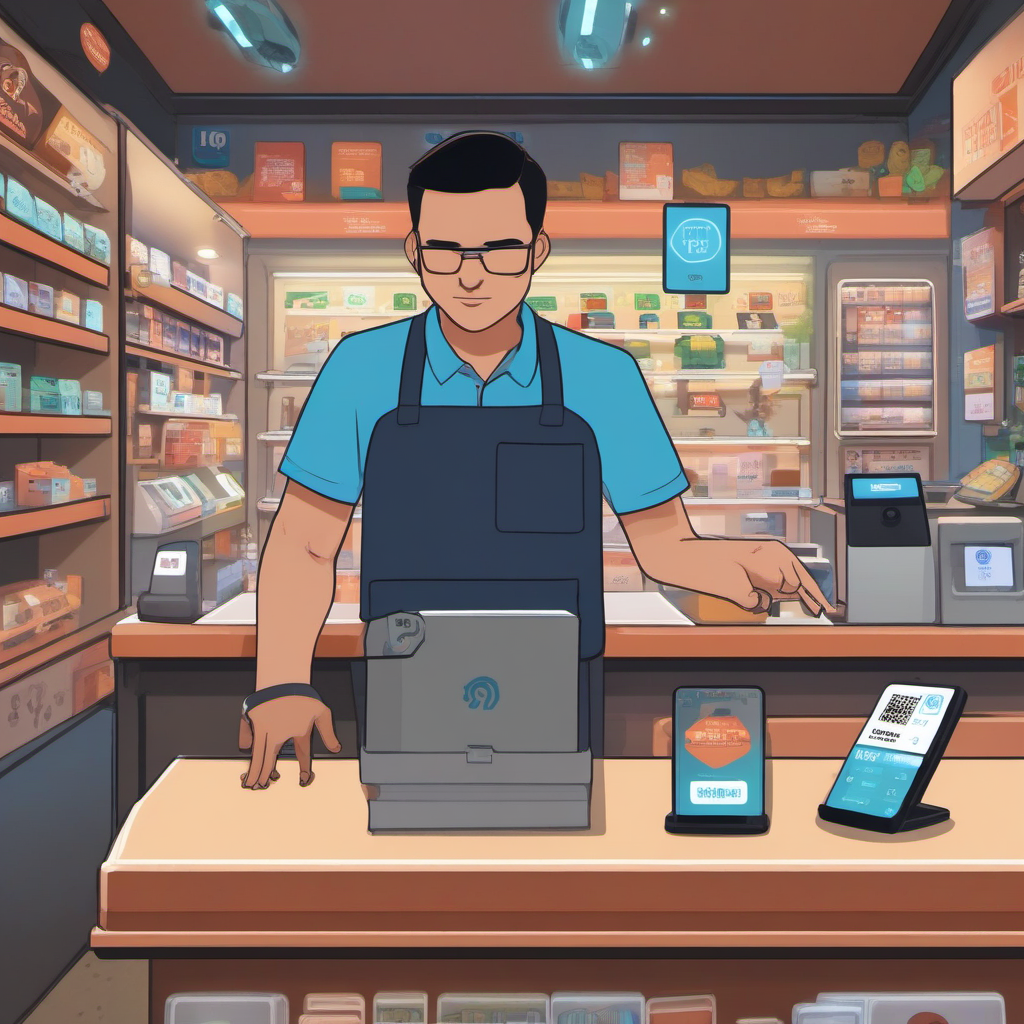
The National Payments Corporation of India (NPCI) is set to introduce a unified soundbox infrastructure that could reshape the way merchants handle Unified Payments Interface (UPI) transactions. This initiative aims to create a common platform allowing a single soundbox to process payments from various UPI apps, streamlining the payment process for merchants and potentially transforming the digital payments landscape in India.
### NPCI’s Unified Soundbox Initiative
The NPCI’s proposed infrastructure will enable merchants to use a single soundbox device to receive payment confirmations, irrespective of the QR code used by customers. Traditionally, merchants have had to manage multiple devices for different payment providers like Paytm, PhonePe, and Google Pay, each with its own proprietary system. By creating an interoperable platform, NPCI seeks to eliminate the need for multiple soundboxes and reduce hardware redundancy for merchants.
This move by NPCI is expected to simplify payment processes for small business owners and enhance the efficiency of digital payment systems. The infrastructure will be compatible with QR codes from all fintech players, providing merchants with a seamless experience in managing transactions.
### Context and Competition
The digital payments space in India is highly competitive, with several players vying for market share. Soundboxes, which provide audio confirmation of payments, have become increasingly popular among merchants, particularly in sectors like retail and food services. Companies such as Paytm and PhonePe have heavily invested in the deployment of soundboxes, which are often rented to merchants on a subscription basis.
Paytm, for example, reported a significant increase in its subscription merchant base, reaching 1.5 crore in the last quarter of FY26, driven by the proliferation of soundboxes. Similarly, PhonePe has enhanced its smart speaker offerings to support offline merchants, boasting 9.19 million payment devices deployed across its network as of late 2025.
The introduction of a unified soundbox by NPCI could disrupt the current business models of these fintech companies, potentially impacting their revenue from device rentals. However, it also presents an opportunity for fintech players to innovate and offer new value-added services on top of the unified infrastructure.
### Implications for India’s Startup Ecosystem
The rollout of a common soundbox infrastructure aligns with India’s broader push towards a cashless economy, enhancing digital payment adoption across various sectors. For startups in the fintech and payments space, this development underscores the importance of interoperability and collaboration in technology solutions.
By reducing the hardware burden on merchants, NPCI’s initiative could lower entry barriers for new fintech startups focusing on payment solutions, fostering innovation and competition. Moreover, it encourages larger players to shift focus from hardware sales to software and service-based offerings, potentially leading to new business models and revenue streams.
As the NPCI moves forward with this initiative, stakeholders in the digital payments ecosystem will need to adapt to a landscape where seamless integration and user experience are paramount. For investors and founders, keeping an eye on how established fintech companies pivot in response to this change will be crucial. The next phase of growth in India’s digital payments sector may well hinge on how effectively these companies leverage the unified infrastructure to deliver enhanced services to merchants and consumers alike.