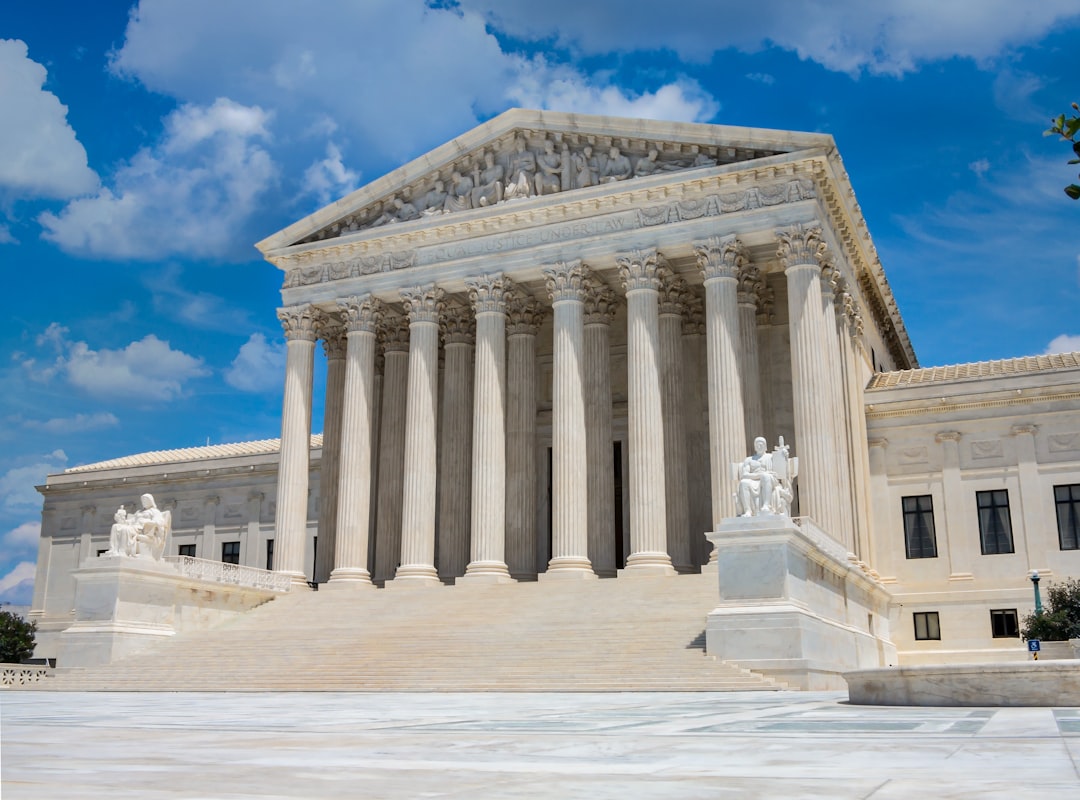
The Supreme Court of India has unveiled a draft framework titled “Regulations for Use of Artificial Intelligence in Courts, 2026,” proposing strict limitations on the use of AI within the judiciary. This move is significant as it addresses the growing concerns over AI’s role in sensitive areas like judicial decision-making, emphasizing the need to maintain human oversight and judicial independence amidst rapid technological advancements.
### The Proposed Framework
The draft framework, developed by the Supreme Court’s AI Committee chaired by Justice PS Narasimha, underscores a crucial point: AI can only serve an assistive function in the judiciary and cannot replace or influence human judges’ decisions. The proposal explicitly bans using AI for adjudicating cases, issuing judgments, or determining findings of fact or law. By ensuring that algorithmic decision-making is prohibited, the framework aims to preserve the judiciary’s integrity and the impartiality of human judges.




Key restrictions include the prohibition of AI systems from using personal data without legal compliance, making independent judicial decisions, or predicting legal outcomes. The draft also bans AI from assessing risk factors such as bail outcomes or recidivism. These measures highlight the judiciary’s commitment to safeguarding personal liberty and fundamental rights by preventing opaque AI systems, often referred to as “black box” systems, from being used in legal processes.
### Context and Competition
AI’s integration into various sectors has been a topic of much debate globally, with some jurisdictions exploring AI for legal analytics and case management. However, India’s proposed restrictions reflect a cautious approach, particularly in a country where the judiciary plays a pivotal role in upholding democratic values and individual freedoms. By focusing on AI as an assistive tool rather than a decision-maker, the framework aligns with a broader caution seen in other democratic nations, which are still grappling with the ethical implications of AI in law.
The draft framework comes at a time when Indian startups are increasingly venturing into legal tech, driven by the expansive potential of AI. Companies focusing on legal research, documentation automation, and case management might find their growth trajectories influenced by these new regulations. This framework sets a precedent that could shape how legal tech startups develop their products, emphasizing transparency and human oversight.
### Implications for India’s Startup Ecosystem
For India’s burgeoning startup ecosystem, particularly in the legal tech space, these regulations could redefine the landscape. Startups will need to navigate these stringent guidelines, ensuring that their AI solutions comply with the framework while remaining innovative and competitive. The focus on human oversight and transparency may push startups to develop more nuanced AI tools that can assist rather than replace human professionals.
With public and stakeholder feedback invited by June 20, the draft framework’s evolution will be closely watched by legal tech entrepreneurs, investors, and policymakers. As the Supreme Court finalizes these regulations, startups must prepare to adapt and align their technologies with these new legal standards, potentially leading to a surge in demand for compliant, ethical AI solutions.
The Supreme Court’s draft framework marks a critical juncture for AI’s role in India’s judiciary, balancing innovation with ethical considerations. For founders and investors in the legal tech sector, the next steps will involve closely monitoring regulatory developments and adapting product strategies to align with the finalized guidelines, ensuring compliance while fostering innovation.