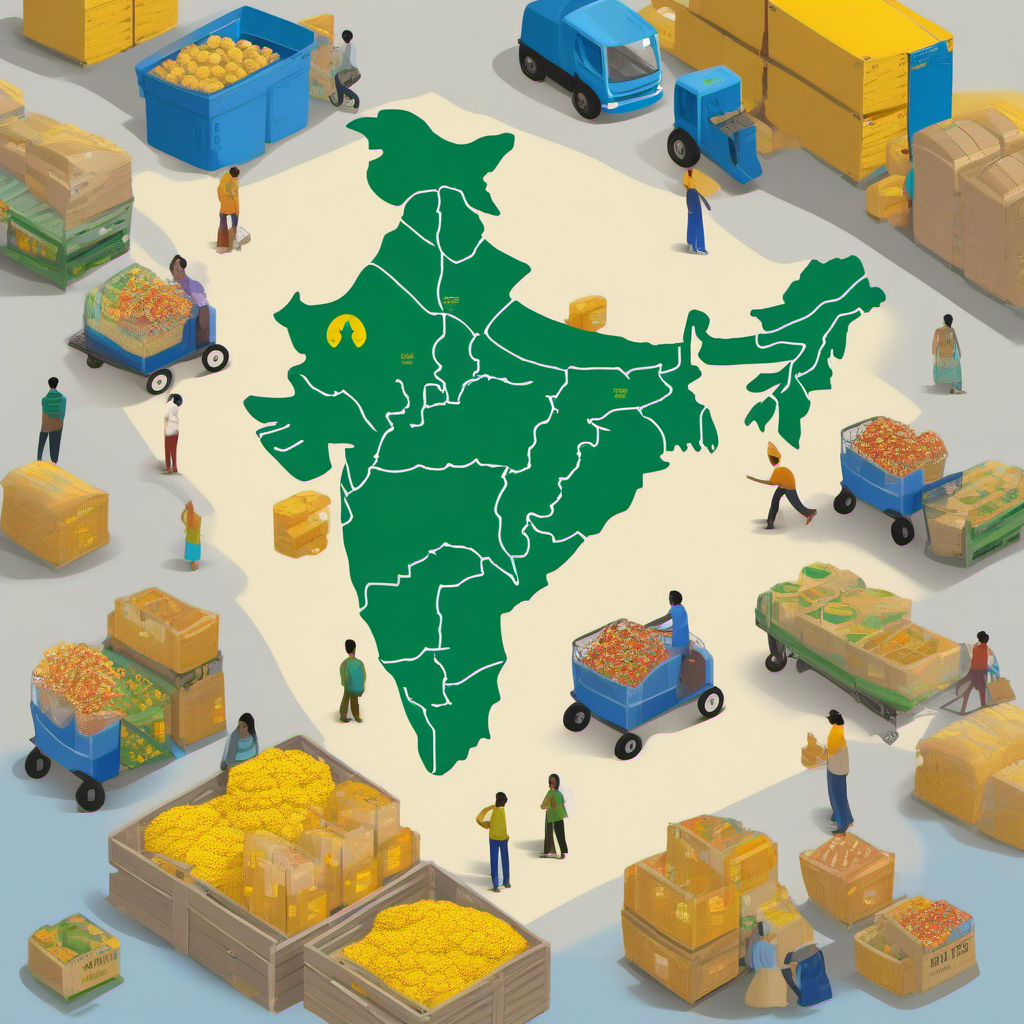
India has emerged as a pivotal player in global commerce, according to Walmart CEO John Furner. The retail giant has sourced goods worth $40 billion from India, reinforcing its commitment to expand its footprint in the country. With plans to source $10 billion annually by 2027, Walmart is focusing on enhancing the capabilities of Indian entrepreneurs and suppliers to meet global standards.
### Walmart’s Strategic Engagement in India
Walmart’s engagement with India is characterized by its significant sourcing activities and initiatives aimed at empowering local businesses. The company has announced a substantial commitment to source $10 billion worth of goods from India each year by 2027. This initiative is part of Walmart’s broader strategy to integrate Indian businesses into its global supply chain. Under its Vriddhi program, Walmart has supported over 115,000 entrepreneurs, helping them modernize and scale their operations. By raising compliance and quality standards, the program aims to prepare Indian businesses for export markets, thereby expanding their economic opportunities.
Related Posts




### Competitive Landscape and Funding Environment
India’s dynamic startup ecosystem offers a fertile ground for global giants like Walmart. The acquisition of a 77% stake in Flipkart for $16 billion in 2018 marked a significant milestone in Walmart’s India strategy. This move positioned Walmart to leverage Flipkart’s e-commerce platform to deepen its market penetration. Moreover, Walmart-backed fintech company PhonePe is planning an IPO, further underscoring Walmart’s investment in diverse sectors within the Indian market. The company’s initiatives align with the Indian government’s push to enhance exports and develop MSMEs, positioning Walmart as a key partner in India’s economic growth story.
### Implications for India’s Startup Ecosystem
Walmart’s initiatives are set to have a ripple effect on India’s startup ecosystem. By integrating Indian MSMEs into its global supply chain, Walmart not only provides these businesses with international exposure but also promotes best practices in manufacturing and quality compliance. The company’s efforts are likely to inspire other multinational corporations to explore similar collaborations with Indian startups. Furthermore, Walmart’s focus on digital-first brands and supply chain partners aligns with India’s digital transformation goals, potentially accelerating the adoption of technology and innovation across sectors.
As Walmart continues to expand its sourcing and capacity-building initiatives, the Indian startup ecosystem stands to benefit from enhanced global integration and increased investment opportunities. For Indian entrepreneurs and startups, this signifies a growing avenue for collaboration with multinational corporations, offering prospects for scaling operations and entering new markets. Investors should watch for how Walmart’s initiatives influence market dynamics and the emergence of new export-ready businesses in the country.