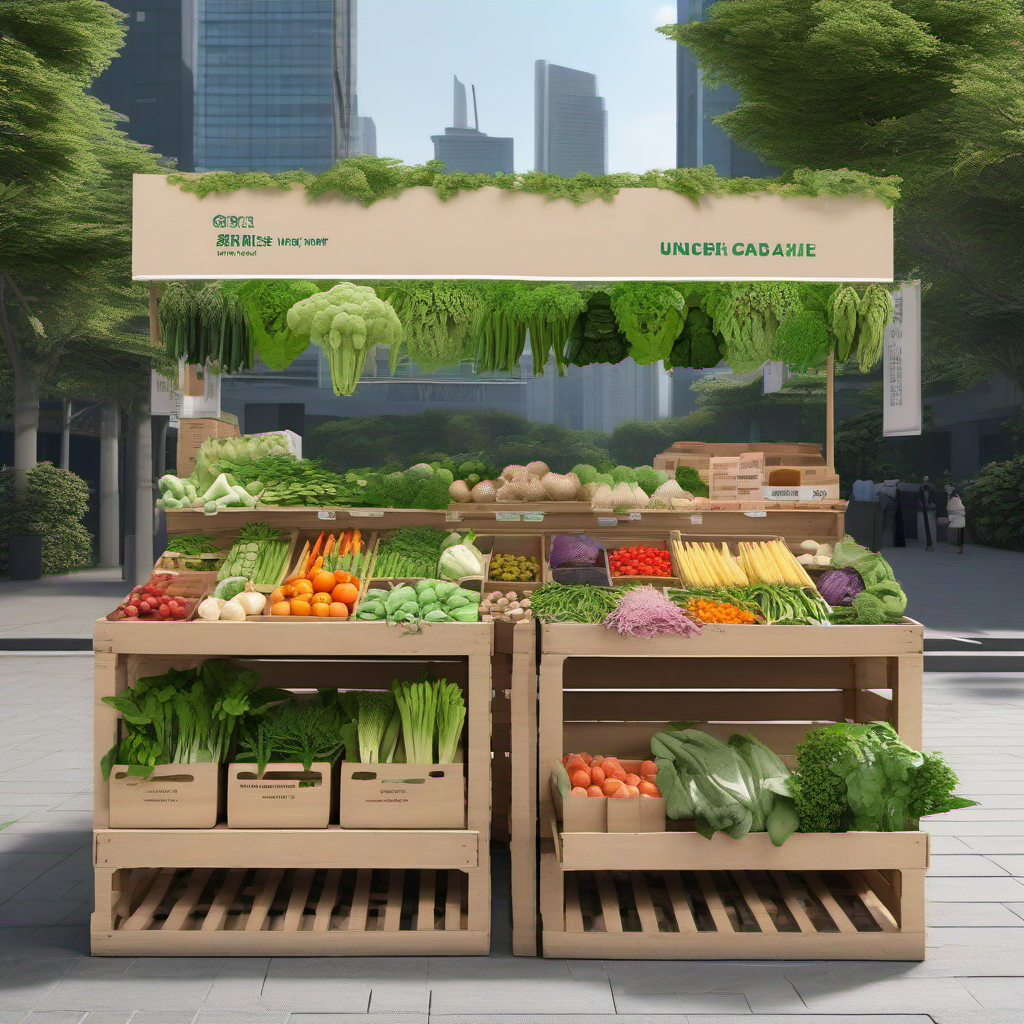
Wingreens has acquired Safe Harvest in a 100% share-swap deal, signaling its commitment to building a vertically integrated clean-label food platform. This strategic move aligns with Wingreens’ recent Rs 120 crore Series D funding round, led by investor Ashish Kacholia and Alchemy Fund. The acquisition of Safe Harvest enhances Wingreens’ position in the pesticide-free food segment, a growing market fueled by health-conscious consumers.
### The Company and Its Expanded Portfolio
Wingreens, known for its packaged food and beverage offerings, has diversified its portfolio with the acquisition of Safe Harvest. Safe Harvest is recognized for its pesticide-free products and robust farmer network, working with over 100,000 farmers, primarily women, through Self Help Groups and Farmer Producer Organizations. This acquisition adds to Wingreens’ existing brands, including Raw Pressery and Wingreens Farms, creating a strong multi-brand platform focused on health, sustainability, and transparency. Safe Harvest’s expertise in batch-wise pesticide testing complements Wingreens’ mission to offer clean-label, traceable food products.
Related Posts




### Market Context and Competitive Landscape
The acquisition comes at a time when the Indian clean-label and organic food market is experiencing significant growth. As urban consumers increasingly demand transparency and sustainability in their food choices, companies like Wingreens are well-positioned to capitalize on this trend. The market is competitive, with players like Tata Consumer Products and ITC also exploring the clean-label segment. However, Wingreens’ unique approach of integrating farm-level linkages and supporting women-led farming initiatives gives it a distinct advantage. The Series D funding provides the necessary capital to expand distribution networks, enhance supply chain integration, and foster product innovation, thereby strengthening its market position.
### Implications for India’s Startup Ecosystem
Wingreens’ expansion strategy underscores the potential for growth in India’s food and beverage sector, particularly in niche markets like pesticide-free and clean-label foods. The company’s focus on sustainability and farmer partnerships aligns with broader trends in the Indian startup ecosystem, where social impact and environmental responsibility are becoming increasingly important. Wingreens’ model of leveraging farmer networks and promoting women-led initiatives could serve as a blueprint for other startups aiming to balance profitability with social impact.
As Wingreens integrates Safe Harvest into its operations, the focus will be on scaling its platform and enhancing supply chain efficiencies. The company’s ability to achieve operational breakeven, coupled with new capital infusion, positions it to explore new categories and strengthen its farm-to-consumer connections. For founders and investors, the next few years will be critical in observing how Wingreens manages this integration and expansion. The success of this strategy could influence investment patterns and operational strategies across India’s burgeoning food tech sector.