Virtual restaurant operator Dil Foods has secured ₹72 crore (approximately $7.7 million) in a Series B funding round led by Bikaji Foods Family Office, with participation from V3 Ventures, MJV Ventures, and Alteria Capital. This funding is significant as it underscores the growing investor interest in India’s rapidly expanding food delivery market. The Bengaluru-based startup intends to use the funds to broaden its reach into Tier I and II cities, introduce new regional cuisines, and enhance its production and supply chain infrastructure.
### The Company and Its Unique Model
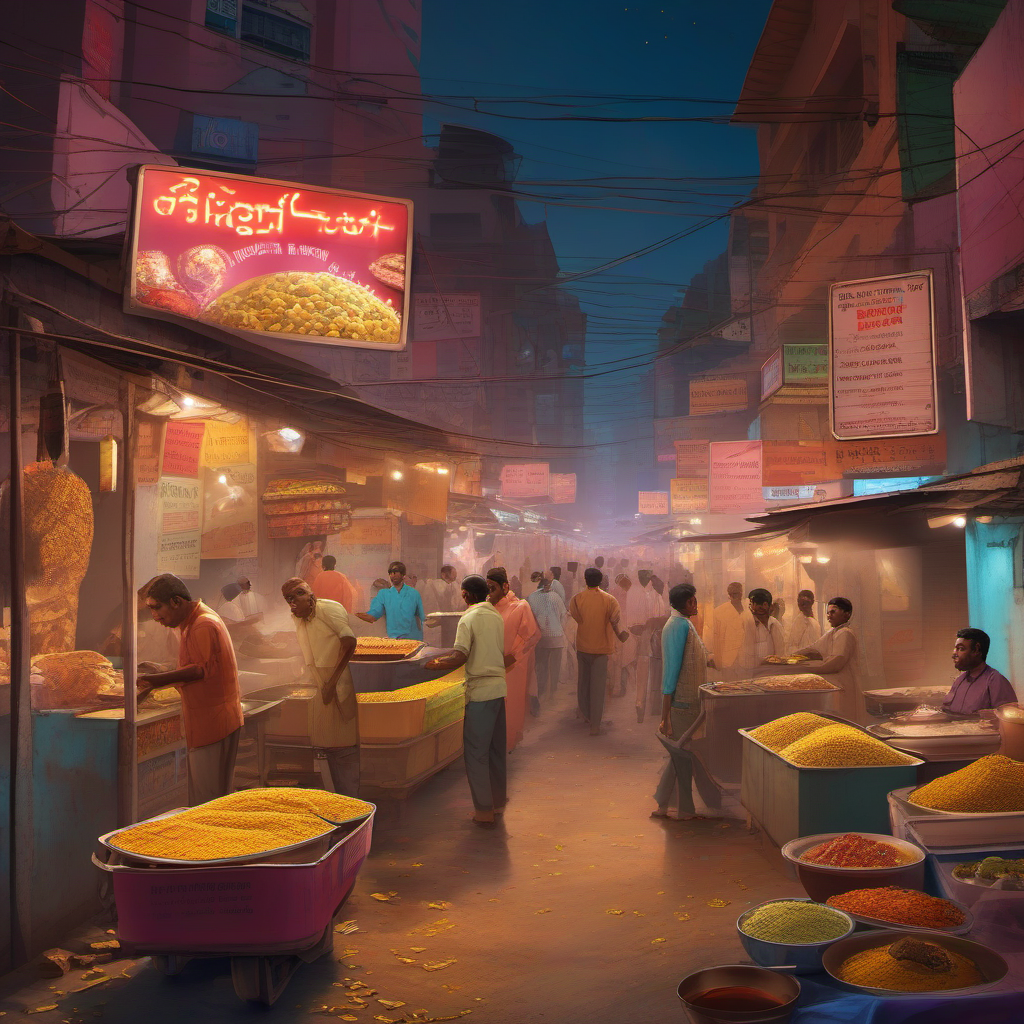
Founded in 2022 by Arpita Aditi, Dil Foods has quickly established itself with nine distinct brands, such as Khichdi Bar, Bihari Bowl, and House of Andhra. The startup operates by partnering with over 200 local restaurants across cities like Hyderabad, Bengaluru, and Mumbai. These partnerships allow restaurants with spare capacity to cook and deliver food under Dil Foods’ brands through platforms like Swiggy and Zomato. This model not only provides a revenue stream for partner restaurants but also allows Dil Foods to manage expenses related to commissions, marketing, and logistics.
Related Posts




By supplying ingredients that are quick to regenerate and deliver, Dil Foods claims to minimize operational costs for its partners, making the process efficient and cost-effective. This innovative approach has positioned Dil Foods as a competitive player in the virtual restaurant space, competing with established names like EatClub, Rebel Foods, and Curefoods.
### Market Context and Competitive Landscape
The Indian food delivery market is on a growth trajectory, driven by increasing disposable incomes, wider internet access, and a consumer preference for convenience. This sector is projected to reach $59 billion by 2030, offering ample opportunities for new and existing players. In this competitive environment, Dil Foods’ recent funding round reflects the confidence investors have in its business model and growth potential.
Dil Foods’ strategy to expand into Tier I and II cities aligns well with the broader trend of digital services penetrating beyond major urban centers. As smaller cities become more digitally connected, the demand for diverse cuisine options delivered to the doorstep is expected to rise. This expansion not only increases the company’s market reach but also enhances its competitive edge in a crowded marketplace.
### Implications for India’s Startup Ecosystem
The successful funding round for Dil Foods highlights a robust appetite among investors for innovative business models in the food tech sector. As the company scales, it could pave the way for more startups to explore similar models, thereby enriching India’s startup ecosystem. The focus on leveraging existing restaurant capacities also points to a potential trend where collaboration becomes key to scaling operations efficiently.
For founders and investors in the food tech space, Dil Foods’ progress is a case study in aligning business models with market needs while ensuring scalability. The company’s ability to streamline logistics and supply chain operations offers insights into operational efficiencies that are crucial for success in this sector.
Looking ahead, Dil Foods plans to expand its offerings to 600 locations by the financial year 2028. This expansion will be a critical metric to watch, as it will demonstrate the startup’s ability to sustain growth and adapt to market demands. For investors and industry watchers, tracking how Dil Foods manages its expansion and maintains quality across diverse locations will provide valuable lessons in scaling a tech-driven food business in India.