Moody’s Ratings has reduced India’s GDP growth forecast for 2026 to 6%, down by 0.8 percentage points, citing subdued private consumption, capital formation, and industrial activity. This adjustment comes amid rising energy costs and potential fuel and fertilizer shortages, which are expected to significantly impact the country’s economic landscape. Such a revision highlights the vulnerability of the Indian economy to external shocks, particularly given its heavy reliance on imported energy.
### The Impact of Energy Costs on India’s Economy
India’s dependency on imported crude and LNG, which comprise about 90% of its energy requirements, makes it particularly susceptible to global energy price fluctuations. High oil prices can dramatically affect inflation rates, compress profit margins for businesses, and strain public finances. The country’s reliance on coal for 70% of its electricity generation further complicates its energy scenario, even as it continues to expand its non-fossil energy sources like solar and wind.
Related Posts




Moody’s report also notes that while India, as a net grain producer, could benefit from higher agricultural export prices, the increased costs of fuel and fertilizers might constrain government spending on capital projects. This could have a cascading effect on infrastructure development and industrial growth, both critical to sustaining economic momentum.
### Global Context and Regional Challenges
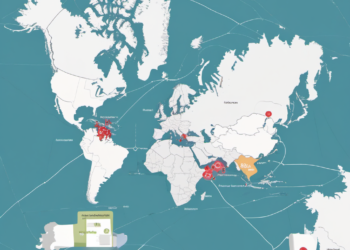
The global economic outlook remains uncertain, exacerbated by geopolitical tensions such as the ongoing confrontation between the US and Iran. The closure of the Strait of Hormuz, a critical passage for India’s LPG imports, poses significant risks to energy supply chains. As a result, India is increasingly importing Russian crude, while other Asian economies diversify their energy sources.
This geopolitical instability, coupled with potential energy and food price shocks, could have far-reaching consequences for India’s economic growth and inflation rates. The uncertainty surrounding negotiations and potential military escalations adds to the complexity of the situation, making it challenging for policymakers to plan effectively.
### Implications for India’s Startup Ecosystem
The revised growth forecast has critical implications for India’s startup ecosystem, particularly in sectors like SaaS, fintech, and mobility, which rely on robust economic activity. With tighter financial conditions and higher operational costs, startups may face increased pressure to optimize their business models and manage cash flow effectively. Venture funding could become more selective, with investors prioritizing startups that demonstrate resilience and adaptability in the face of economic headwinds.
Moreover, the focus on energy diversification and sustainability could spur innovation in cleantech and renewable energy startups. As India strives to reduce its energy dependency, there could be opportunities for startups offering solutions in energy efficiency, alternative energy sources, and emissions reduction.
### What Lies Ahead
India’s economic trajectory in the coming years will depend significantly on how it navigates these external challenges and leverages opportunities for energy diversification and technological innovation. For founders and investors, the focus should be on resilience and adaptability, as well as exploring opportunities in sectors poised for growth despite macroeconomic uncertainties. The evolving geopolitical landscape and its impact on energy supplies will be critical areas to watch, influencing strategic decisions in the Indian startup ecosystem.